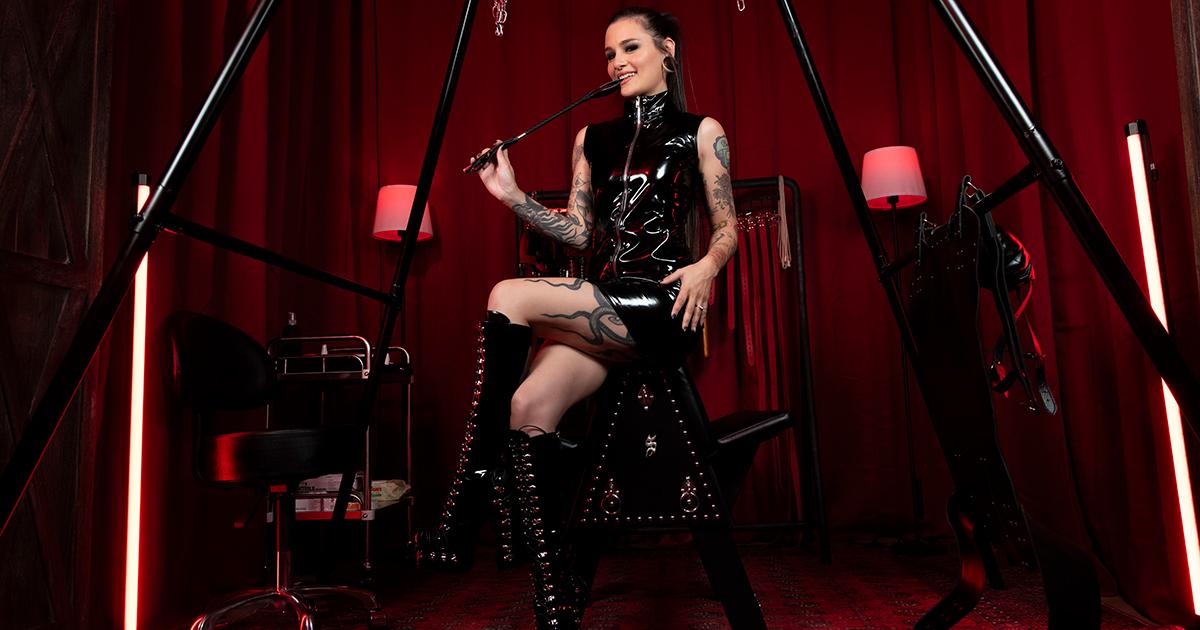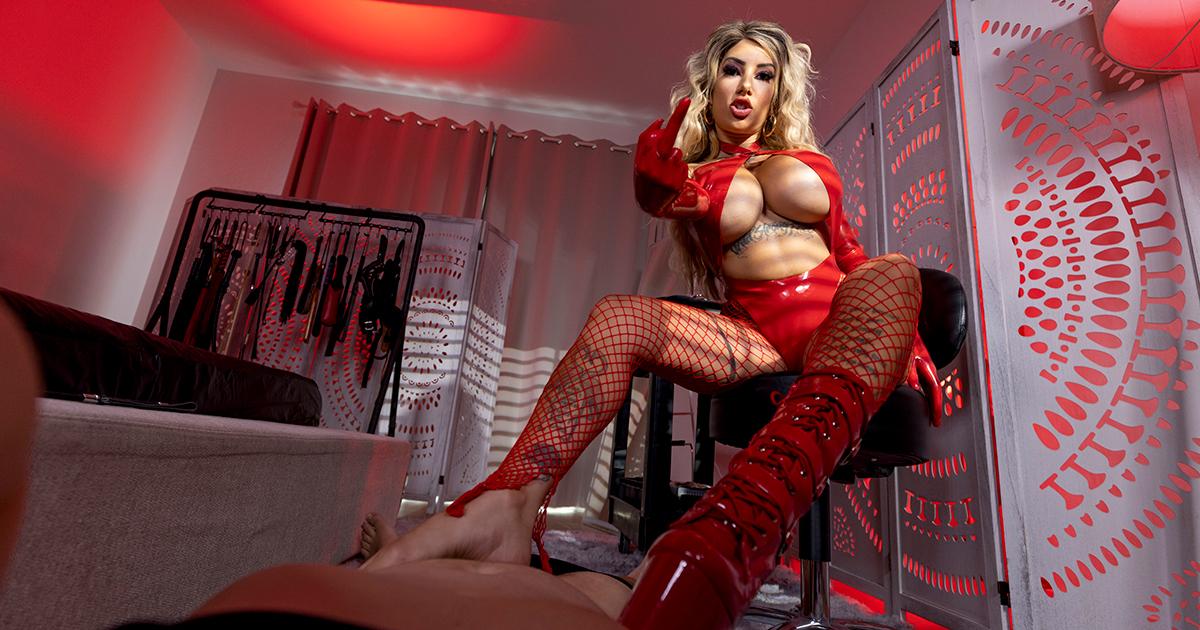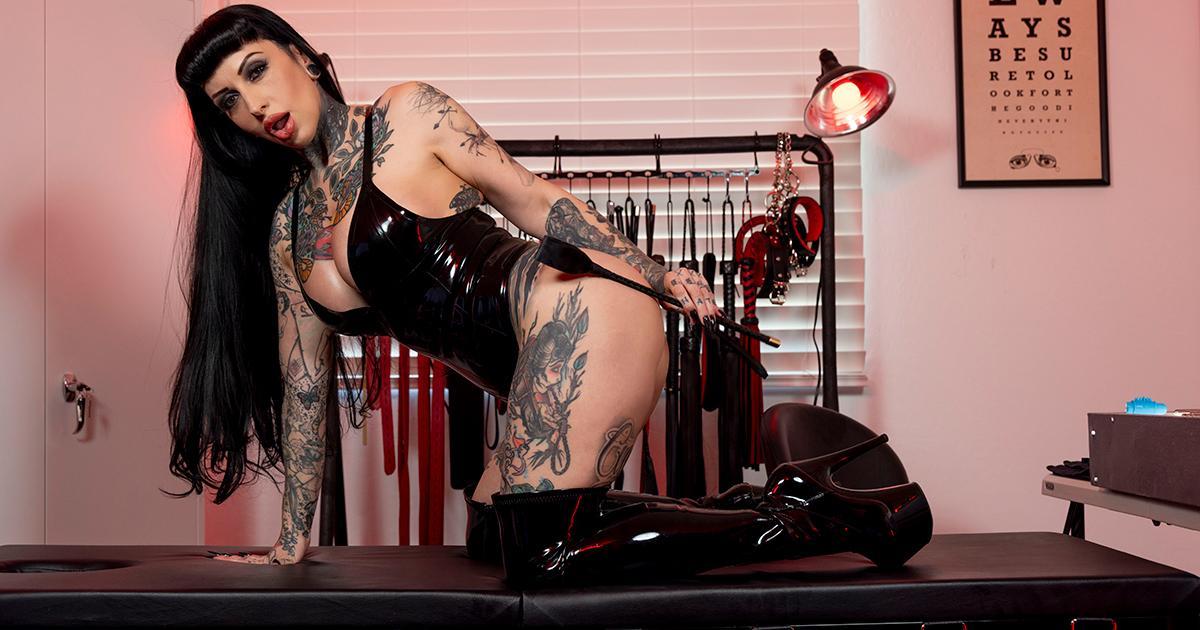
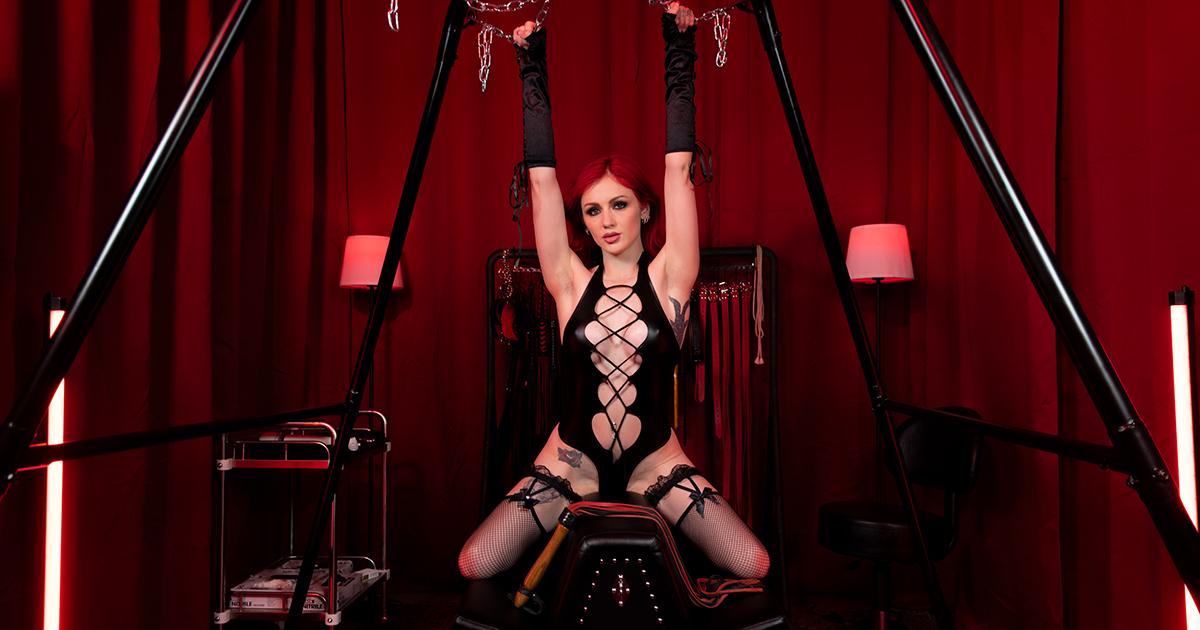
In BDSM VR, restraints establish a limit the instant they enter the frame. They do not reveal when the next instruction will come. That unanswered question gives control its tension. A held pose and a deliberate pause can draw attention to the person setting the pace, even before the scene changes.
Timing Is a Form of Authority
A command delivered at once feels different from one that follows a long silence. The Dominant can let the moment stretch, shift position, or change tone, and each choice tells the viewer where to look. Control is expressed through decisions about timing as much as through equipment.
That room for choice also gives a scene its character. A playful delay suggests a different mood from a calm, exacting one. The viewer starts to notice small changes because the next move has not been rushed. A glance or a few words can carry weight when the scene has made space for them.
What Restraints Add
Equipment makes the arrangement visible: one person's position is set, leaving the Dominant's timing in sharp relief. Our look at restraints in BDSM VR explores why that physical limit is such a clear symbol. Here, it serves another purpose: it gives every pause a visible point of reference.
Two scenes using similar equipment can therefore feel unlike each other. One might use brisk directions; another might linger in silence. The difference lies in how the performer uses the situation, not merely in the restraints themselves.
The View From Inside the Pause
A recorded VR scene places the viewer at a fixed camera position while allowing them to look around. When a performer approaches that position or addresses the camera, a pause can feel directed at the viewer. The effect is imaginative rather than physical; the viewer is watching a staged scene, but the perspective can make a delay feel unusually direct.
The Dom/sub guide explains the roles behind this exchange. In real life, restraint and power exchange depend on consent and communication between adults. In a staged fantasy, the viewer can focus on how a performer communicates authority through timing, presence, and choice.
The equipment creates the image. The pause makes the question of what happens next feel personal. That space between a visible limit and an unknown decision is where control can become the scene's strongest impression.